Funeral music is one of the generally approached elements in many funeral plans. For the most part, works by famous composers are played and replayed to make the musical procession as attendees enter, take their seats, and anticipate the closing music. In contrast, a 32-year-old man has suggested that each deceased person deserves an original melody composed exclusively for their funeral. Instead of clichéd, famous musical tracks that have been played before, almost anywhere, a new soundtrack is played at a deceased person’s funeral, a new, original soundtrack never heard elsewhere in public. The title of the music would bear the person’s name, date of birth and anniversary. Example: an original piece of classical music for Mr Johnson’s funeral would be titled ‘A melody in memory of Mr Johnson (1919 – 2020).’ This music comes in a CD, its cover illustration showing the melody’s title and the deceased person’s picture. The CD is then regarded as a keepsake, and copies of it can be given to friends and relatives.
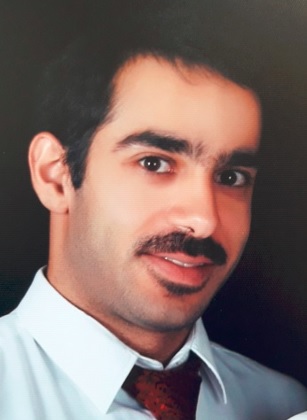
The following is an interview with the initiator of this concept, Mohsen Hamedpour-Darabi, who speculates that this can become an initiative to enhance commemorative cordiality and may gradually contribute to our future approach to the musical sense of bereavement and commemoration.
How did you reach this concept?
I had been gradually picturing what new windows may open on funeral music for families to have the option to choose from a set of unpublished soundtracks composed by live composers. As a brand new idea, I searched it several times on the internet to see if anyone has had this idea before, but it appeared that nobody had. So I thought it would be innovative to introduce a procedure for it. That is, when deciding on a funeral plan, the family of a deceased person can take some time to listen to several unpublished soundtracks of classical music available from a funeral director and choose one. The soundtracks are given to the funeral director by a composer, or composers. The motivation came from the fact that some composers, like me, would like their work to achieve contextual impact and grow from there. Given my capacity to produce a new, original piece of classical music once every three days, this concept of cooperation with a funeral director proves rather apt. Since my music typically sounds solemn and resolute, I may not find a relevant audience unless I seek to bind to real-life settings that anticipate seriousness and honour from music.
What implications might this initiative have?
As a composer, it inspires me more when a specific audience consumes my music individually. My primary ambition is to generate a cultured legacy and communal honour through classical music, hoping that these might be mirrored back to me in prospective ways I consider supportive and adventurous. Having delivered several pieces, I may gather them in an album titled ‘Melodies in memory of loved ones (n).’ Each album becomes important for copyright reasons, so the soundtracks are thus safeguarded against plagiarism and become available for future retrieval and assessments.
What inspires you to continue composing?
Not everybody would like an exclusive soundtrack for a funeral. A steady demand rate for soundtracks has its own advantages. It gives me more time to spend on the composition of each soundtrack and to make each become as pleasant as possible. There are diverse families, each with a unique taste, and they usually vary in their sense of commemorating their loved ones through melody. I consider a variety of genres when composing so that almost anybody may like to select a soundtrack. Live persons may reserve soundtracks for themselves for the future. Reservations convey a dignified feeling and prompt the composer to drown musically in the diverse perceptions of the human fate. Spirited perceptions of life and death and airworthiness of mind are what a composer needs to excel in compositions. I find creative nonfiction writing as a subconscious inspiration in my spare time, besides having published poetry and had an intermittent role as co-author in writing about horticulture.
darabi@daanadell.com